
Surf World
Design by Thomas Meyerhoffer
Surfboard, remixed. We reimagined the surfboard, one of the most universal and democratic design icons. For that, we defied the standard norms that lie behind an object with the intention of creating a different experience by altering the traditional form. The result of this process is Surfworld, a full line of pioneering surf craft with a worldwide following.
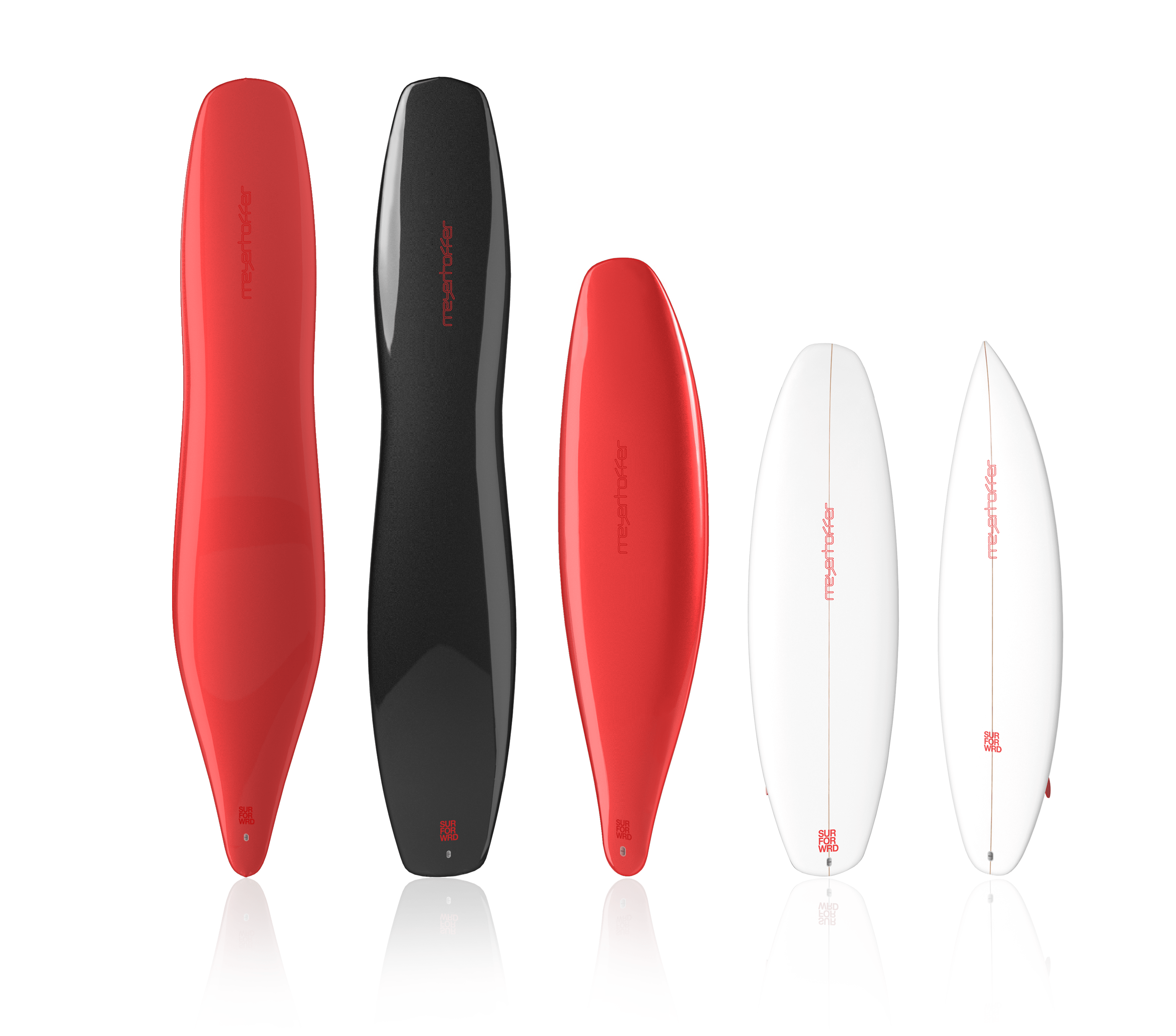
Designing an icon is hard work. Redesigning one is arguably even harder. We recognize that objects evolve, and surfboards are no exception. From basic means of leisure, the surfboard mutated into a performance object which has been perfected over the centuries by skilled craftsmen and demanding surfers. Today, surfing contains multitudes. It is an identity, it is a culture. It is intensely personal, yet collective. It has an aura of sacredness for entire communities around the world. So, if you decide to put your hands on it, you had best be doing so with the best of intentions. In our case, it has been about exploring the altered experience coming from a redesigned board. Discovering what elements can be tweaked to allow a new practice of a surfboard. Venturing into the craft to contribute a different experience within the evolution of an object that has been rendered over centuries for its purpose, becoming talismanic of a beloved subculture and way of life.


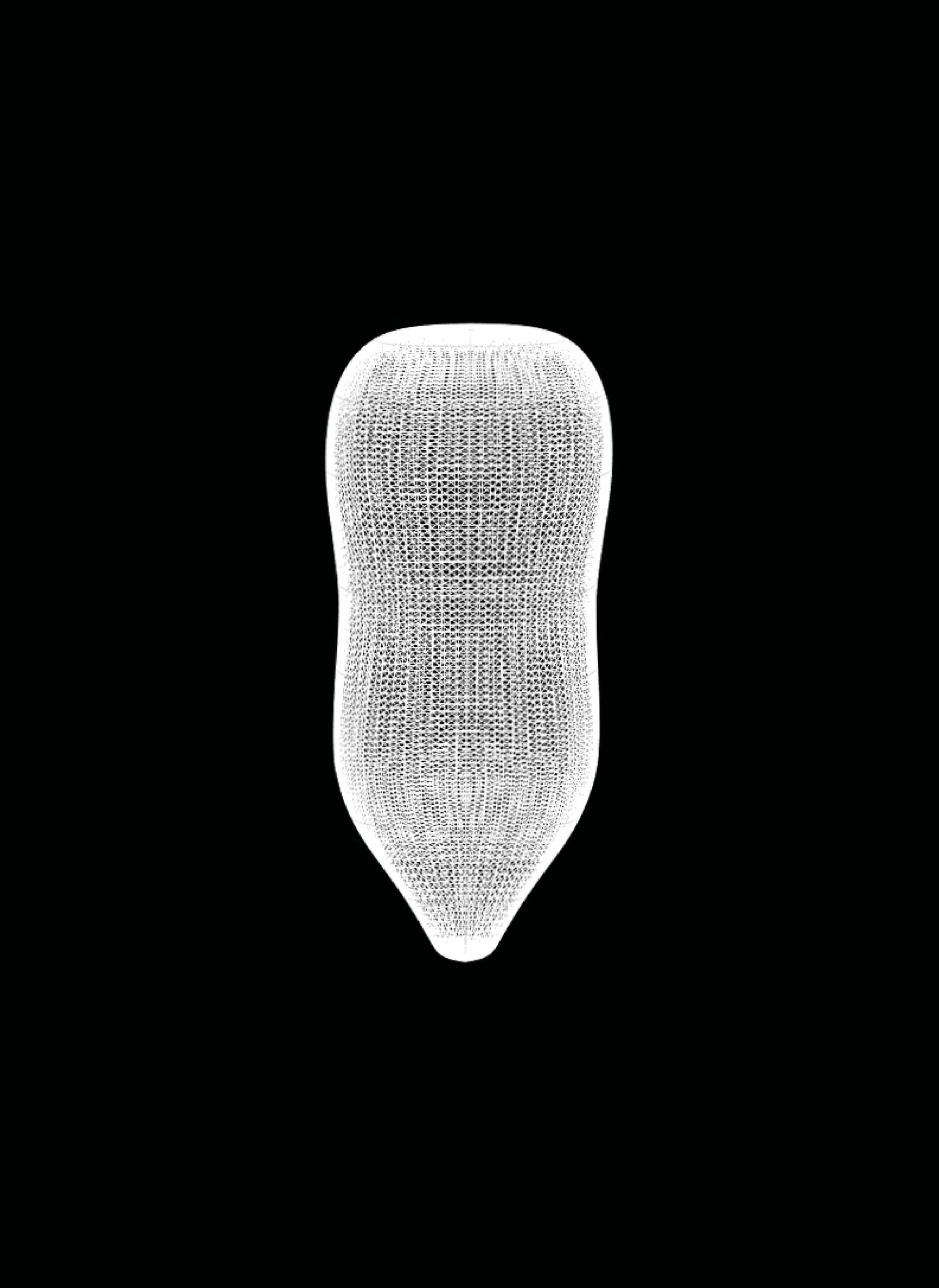

To remove is to create. To carve meaning out of matter is an essential principle of sculpture — and the one I followed for Surfworld. As I first approached the redesign of a longboard, I chose not to add but to gradually remove material instead. To remove is to make a revolution. You don’t change a traditional universal shape simply because you feel like it. This dramatically unconventional 'hourglass' form grew out of a pursuit of function, not of form. Less material, a shorter rail, a rounder curve at the tail (hence, the waist). Even the metallic band encircling the waist is intended not as decoration, but to celebrate the gesture of subtraction.
↑ Full Circle, 7.2.2022


Model, manufacture, test. Then repeat. We conceived the shape of the surfboard using the same method of computer-aided modeling with which we designed the iMac, Porsche cars, and many other products. My experience in foam and clay shaping dates back to my days in design school but proved to be perfectly suited as an initial, exploratory step for this project. With these tools, shaping the board according to my design principles was the easy part. The hard part was the painstaking process of building and testing them. Surfing them one by one. Listening. Learning. Falling. Failing. Then starting again until we reach the final form. Which we still have not!


↑ Drawings and cad development 2000-2004. There is no limitation. An essential quiver is of one nose and two tails. Add a second nose and you have multiplied your board to four. A third tail and voilà, you've got six boards. And so on.
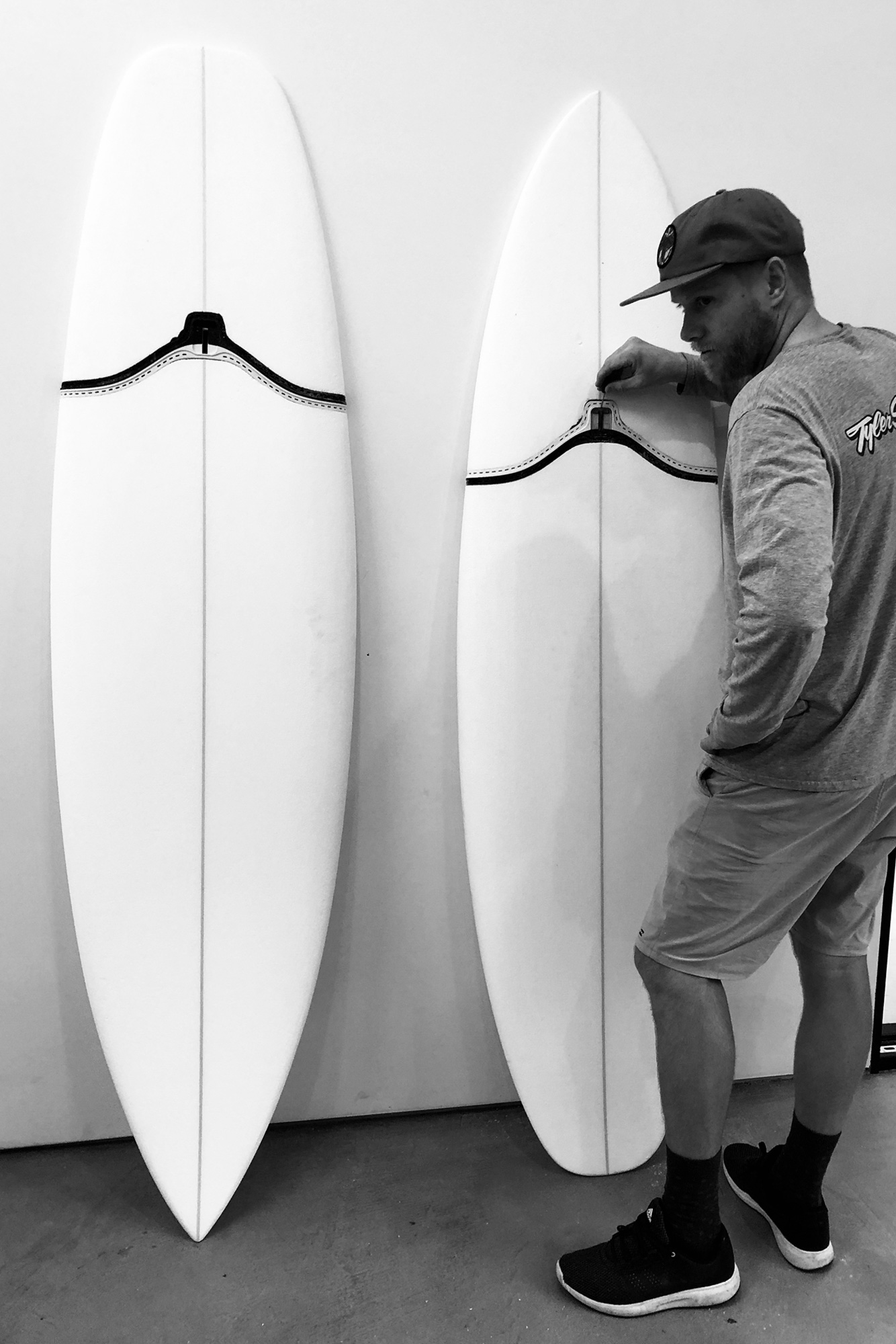


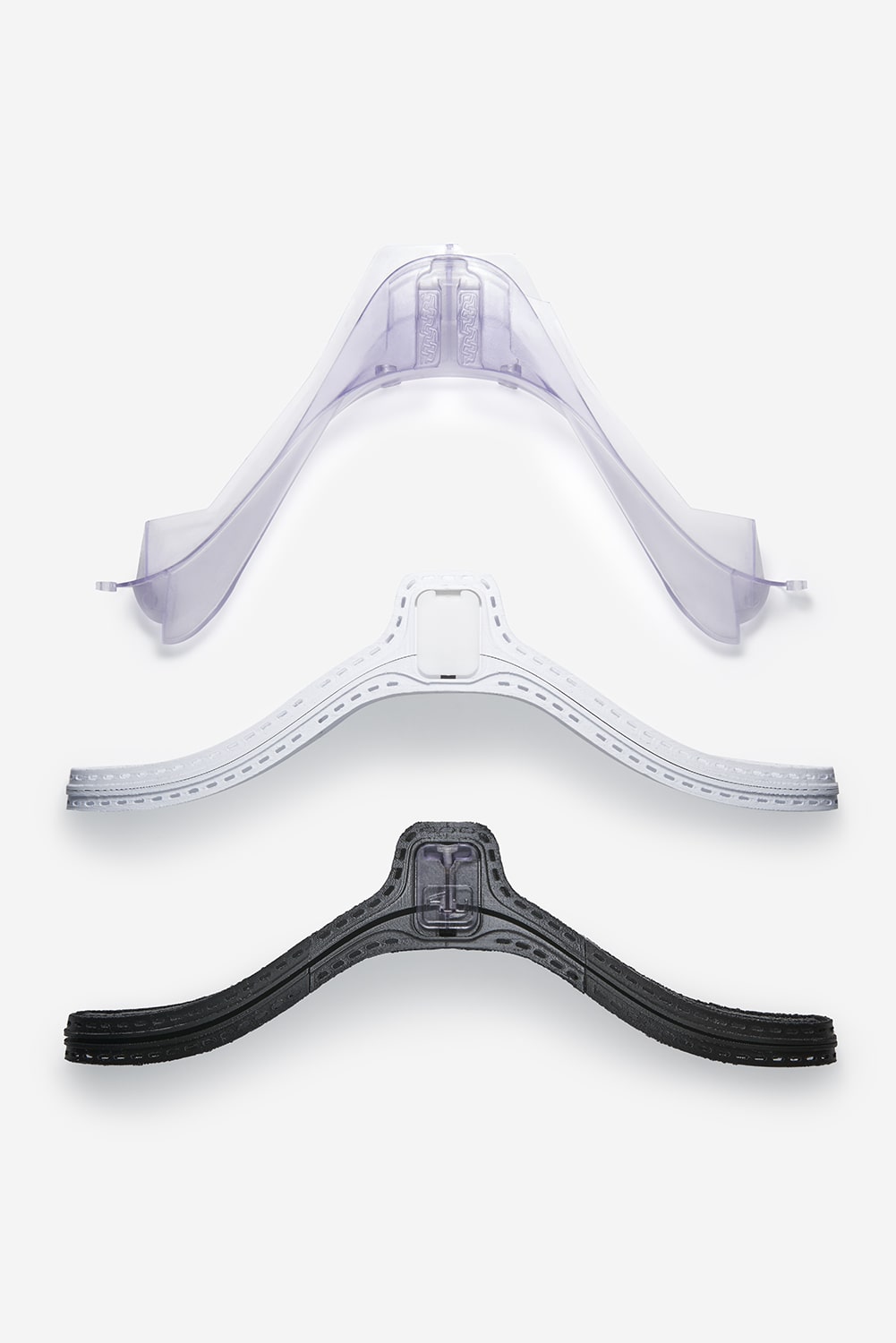
A board, many boards, a licensed system. The surf industry is slow to absorb change. This is just one of the reasons we are not focused on changing everything for everyone. Rather, we truly wanted to create a system that will grow slowly but steadily: seduce surfers with great performance, inspire shapers with an advanced and thoughtful technique, attract brands and board makers with a pioneering craft waiting to be fully perfected and licensed. A two-part surfboard. We know that different tail shapes and fin setups affect performance. We decided to separate the two and create a design that distributes the force in the best way possible. A bold concept covering the whole spectrum — from shortboards to mid-length.

A hybrid system for travel and performance. Here, subtly tweaking the old adage, form followed not one function, but two: surf, ça va sans dire, and travel, resulting in a board system designed for exploration but focused on performance. A two-part surfboard that allows a surfer who loves to travel fit their quiver into a free checked bag, change their setup to adapt to changing conditions, and eventually round off their experience simply by adding another piece rather than changing boards.

Make it an instant hit. The unorthodox shape became a sensation — it immediately took us around the world, visiting faraway locations and meeting surfing legends. Not bad. Our surfboards quickly achieved mainstream and (frankly) somewhat unexpected success: national press, international design awards, and a lively, if somewhat polarised, conversation within the surfing world.


Many world-class surfers and master craftsmen loved the boards, from Josh Mulcoy and Jamie O’Brien to Bob McTavish and Hawaiian legend Randy Rarick. Some others defended the traditional shape and questioned the validity of the design. If you’re a surfer reading this, chances are that you're feeling a bit skeptical, as was nearly everybody. We would expect nothing less. But it is our belief that if you try our boards, you may just change your mind. As nearly all our doubters have.
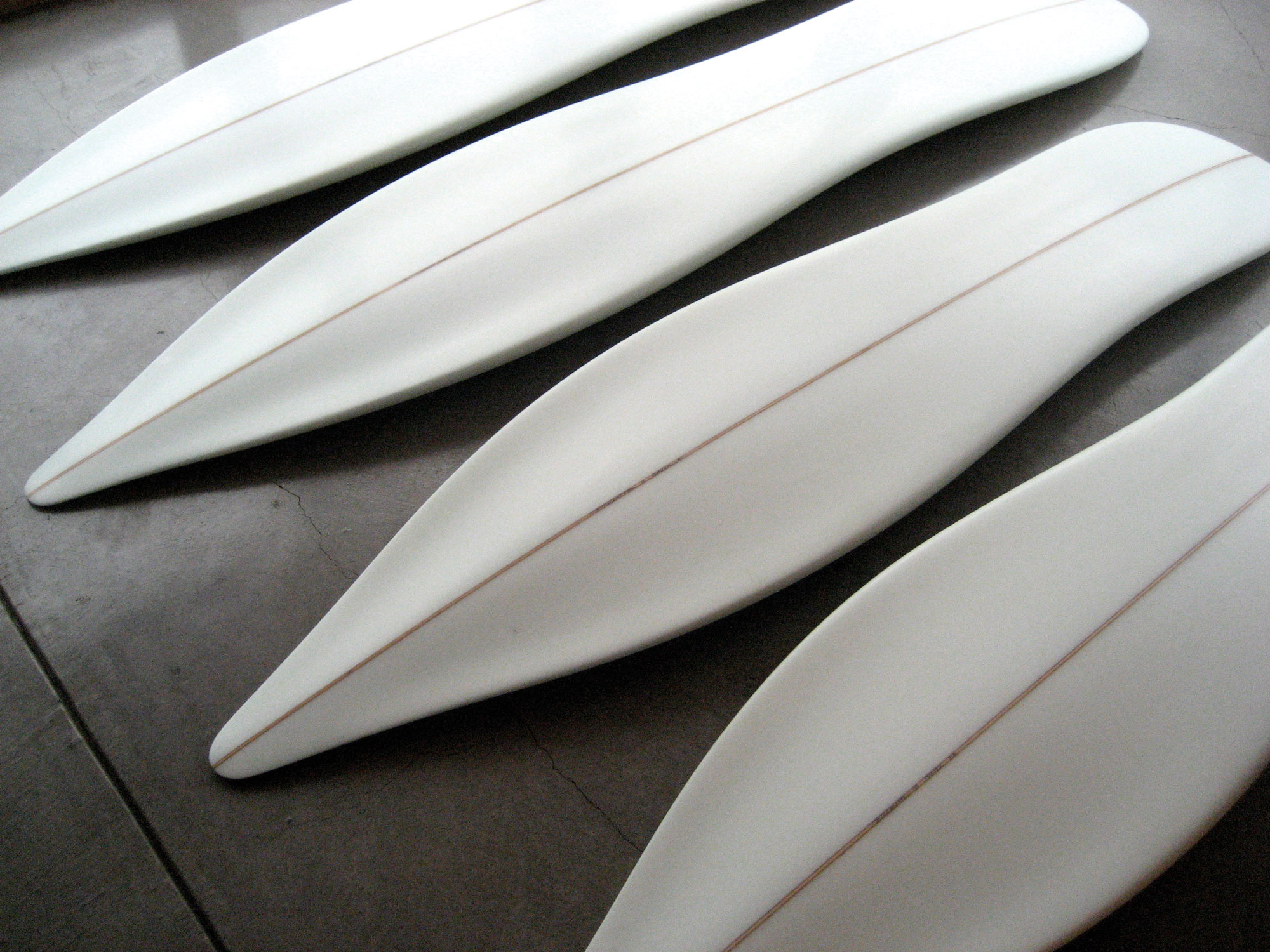


↑ Early developments. Images from The Surfer's Journal, The Surfboards of Thomas Meyerhoffer, By Scott Hulet, Vol 16, No2.
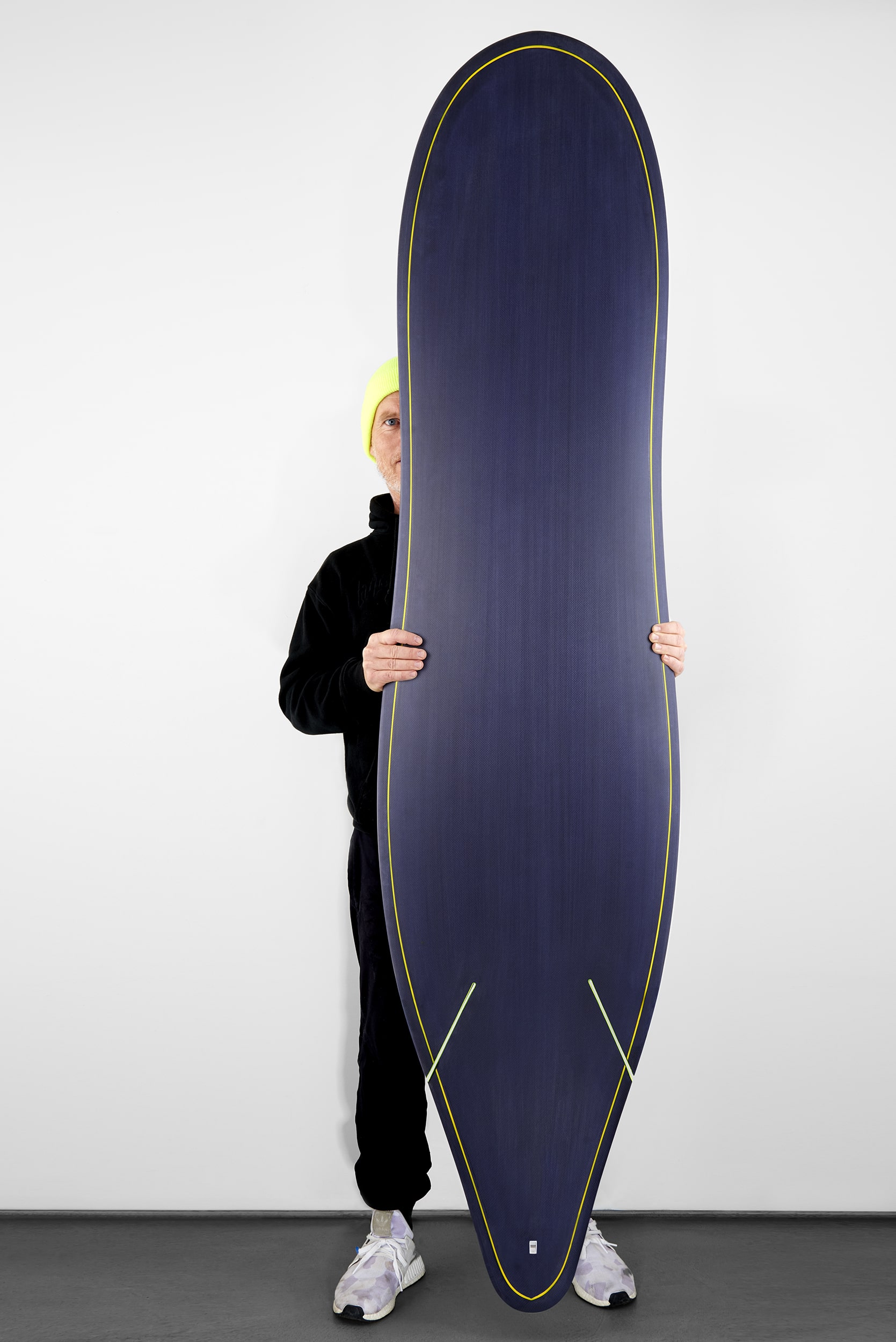
↑ "My latest model is the Full Circle. It took me a lot of time to get to this point! That's why I call it Full Circle. I consider myself done after this. I think. Most likely not." Thomas portrayed by Christoffer Dalkarls. Montara, California, 2020.